


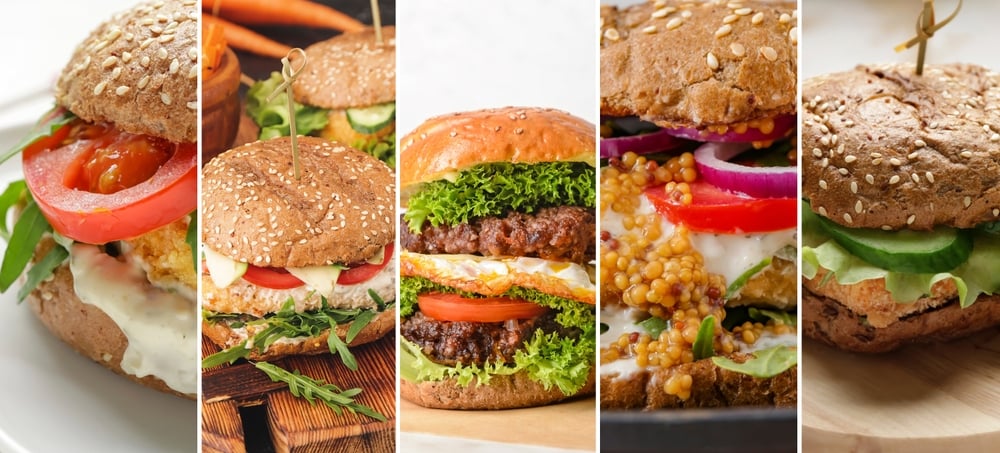
What Makes the Best Burger? A Beef Lover’s Guide to Spotting a Great One
Ask ten people what makes the best burger and you’ll get ten passionate, slightly different answers. One swears by a thin, crispy-edged smashburger. Another wants a thick, juicy pub-style patty cooked to a perfect medium. So what actually separates a forgettable patty from the kind of burger you’re still thinking about days later? The answer comes down to a handful of things done right: quality beef, a proper sear, the right bun, a thoughtful build, and a little bit of care from the people cooking it.
In this guide, we’ll break down exactly what makes the best burger so you can spot a great one anywhere – and know why your favorite burger places keep pulling you back in.
The Short Answer: What Makes the Best Burger?
The best burger starts with high-quality, freshly ground beef with enough fat to stay juicy (around 20% is a sweet spot), gets a hard sear that develops deep, savory flavor on the outside, and is stacked on a sturdy, lightly toasted bun with toppings that complement – not bury – the meat. Everything else is personal preference. Nail those fundamentals and you’ve got a genuinely great burger.
Now let’s dig into the why behind each of those pieces, because understanding them is what turns you from someone who just eats burgers into someone who knows a truly good one when it hits the table.
It Starts With the Beef (and the Blend)
You can’t build a great burger on mediocre beef. This is the single biggest factor, and it’s where a lot of places quietly cut corners. Pre-formed, frozen, over-processed patties will never taste like beef that was ground fresh and handled gently.
Why the Cut Matters
Different cuts of beef bring different things to the party. Chuck offers rich, beefy flavor and a good fat ratio. Brisket adds deep, almost buttery richness. Short loin brings a clean, steaky quality. The best burger restaurants often blend cuts on purpose to balance flavor and texture rather than relying on a single generic grind.
At Burger Republic, for example, we use USA Angus beef in a proprietary blend of brisket, short loin, and chuck – the whole point being that no single cut has to carry the burger alone. You can read more about how that came together on our about page. The takeaway for you as an eater: when a menu tells you what’s in the patty, that’s usually a good sign the kitchen actually cares.
The Fat Factor
Here’s a truth that surprises people: fat is flavor, and lean beef makes a sad burger. Fat keeps the patty juicy, carries flavor, and helps create that satisfying sizzle on the grill. A blend somewhere around 80% lean to 20% fat is widely considered the sweet spot for burgers – juicy without being greasy. Go much leaner and you risk a dry, crumbly patty no amount of sauce can rescue.
So if you’ve ever bitten into a burger that felt dry despite looking perfect, the fat content (or lack of it) was probably the culprit.
The Sear Is Where the Magic Happens
Ever notice how the best hamburger has this deeply browned, almost crusty exterior? That’s not an accident, and it’s not just “cooked.” It’s chemistry – and it’s arguably the most important thing separating a great patty from a boiled-tasting one.
When beef hits a hot surface, the proteins and sugars in the meat undergo what’s called the Maillard reaction, a non-enzymatic browning process that creates hundreds of new flavor and aroma compounds. According to a scientific overview of the Maillard reaction, this is what gives cooked meat much of its signature savory, roasted taste and its appealing brown color. It needs high heat to really get going – which is exactly why a screaming-hot flat-top or grill produces so much more flavor than a lukewarm pan.
This is also why moisture is the enemy of a good sear. A wet patty steams instead of browns, and steamed beef tastes flat. Great burger places know to get the surface dry and the heat high so that gorgeous crust can form. When you taste a burger with real depth and a savory, toasty edge, the Maillard reaction is doing the heavy lifting.
Doneness and Safety: How a Great Burger Place Gets It Right
Steak and burgers are not the same when it comes to doneness, and this matters more than most people realize. Because grinding beef spreads any surface bacteria throughout the meat, ground beef needs to be cooked more thoroughly than a whole steak.
The U.S. Department of Agriculture recommends cooking ground beef to a safe minimum internal temperature of 160°F, measured with a food thermometer, to destroy harmful bacteria. Crucially, the USDA notes that color alone isn’t a reliable indicator of doneness – a patty can turn brown before it’s actually safe, and it can stay pink even when it has reached a safe temperature. You can see the full temperature guidance on the government’s safe minimum internal temperatures chart.
What does this mean for you? A quality burger restaurant takes food safety seriously without sacrificing juiciness – cooking to temperature, not guesswork, and being upfront if any menu item can be cooked to order. If a menu carries the standard undercooked-meat advisory, that’s not a red flag; it’s a legally required notice that the kitchen is being transparent. Good burger places thread this needle every single day, which is part of why consistency is such a hallmark of the best of them.
Beyond the Patty: What Separates Good Burger Places From Great Ones
A phenomenal patty can still be let down by everything around it. Here’s where the details add up.
The Bun
The bun is not just a delivery vehicle – it’s structural. It has to hold up to a juicy patty and toppings without turning to mush or crumbling apart by bite three. The best hamburger sits on a bun that’s soft but sturdy, usually lightly toasted so it adds a little texture and keeps moisture at bay. A brioche or potato-style bun is popular for good reason: enough richness to complement the beef, enough strength to do its job.
The Build
Toppings should have a purpose. The best burger isn’t necessarily the one with the most stuff piled on – it’s the one where every element earns its place. Acidity from pickles or onions to cut the richness, a sauce that ties things together, cheese that actually melts into the patty rather than sitting on top like a cold slab. Balance beats bulk. When you look at a well-designed menu – like the specialty burgers on our full menu – you’ll notice each one is composed, not just loaded.
The Sides and Sips
Great fries, a proper milkshake, or a cold local beer can turn a good burger meal into a great one. It’s part of why the experience of a burger place matters as much as the burger itself. A hand-spun shake or a fresh craft beer on tap rounds out the meal – you can see what’s pouring on our beer on tap page. The point is that the best burger restaurants think about the whole plate, not just the patty. Fries should be hot and crisp, not limp and reheated. A shake should be thick enough to make you work for that first sip. Even the atmosphere counts – a comfortable, welcoming room where you’d happily linger is part of why certain burger places become the ones you keep coming back to instead of just another quick bite.
How to Find the Best Burger Place Near You
Let’s get practical. Here’s the who, what, when, where, why, and how of tracking down a genuinely great burger.
Who makes the best burgers? Independent and local burger restaurants that grind fresh and cook to order often outshine big chains, because they can control quality at every step.
What should you look for on the menu? Clues that the kitchen cares – a described beef blend, cooked-to-order options, house-made sauces, and fresh (not frozen) language.
When is the best time to go? Off-peak hours mean fresher cooking and less rush, though a busy lunch crowd is often a good sign of a trusted local spot.
Where should you search? Start with local review sites and community recommendations, then verify by visiting. Consistency across multiple visits is the real test.
Why does quality vary so much? Because burgers are deceptively simple – with so few ingredients, there’s nowhere for low-quality beef or careless cooking to hide.
How do you confirm you’ve found a winner? Order the classic. A place that can nail a simple cheeseburger – good beef, good sear, good bun – can be trusted with everything else.
The Burger Republic Difference
Everything we’ve covered is exactly what we obsess over. We started in 2012 in Nashville’s Lenox Village and have grown to several locations across Middle Tennessee and into Chattanooga, and the philosophy hasn’t changed: use quality beef, cook it with care, and build burgers where every ingredient matters.
That means our Angus blend of brisket, short loin, and chuck, hand-spun shakes, and fresh local craft beer – all served in a spot that feels like your neighborhood go-to. If you’re in the area, swing by one of our locations, like our Gulch location in the heart of Nashville, and put this whole guide to the test.
Frequently Asked Questions
What makes a burger juicy instead of dry?
Juiciness comes down mostly to fat content and cooking technique. Beef with around 20% fat stays moist and flavorful, while very lean beef tends to dry out. Overcooking is the other big culprit – the longer a patty cooks past its target temperature, the more fat and moisture it loses. A hot, quick sear that locks in a flavorful crust, followed by a short rest, helps keep all those juices where they belong: inside your burger.
Is a smashburger or a thick pub-style burger better?
Neither is objectively “best” – they’re different experiences. A smashburger is pressed thin on a hot surface for maximum crispy, browned edges and a higher crust-to-meat ratio. A thick pub-style burger delivers a juicier, meatier bite with a softer interior. The best choice depends on whether you’re chasing that deep seared flavor or a hearty, substantial bite. Many great burger restaurants do both well, so it’s worth trying each and deciding what you personally love most.
Why do restaurant burgers taste better than the ones I make at home?
A few reasons. Commercial flat-tops and grills get much hotter than most home stoves, producing a better sear and more of those savory browned-flavor compounds. Restaurants also grind or source high-quality beef with the right fat ratio, season generously, and have cooking down to a repeatable science. That said, you can get very close at home with fresh beef, high heat, a dry patty surface, and a light touch – don’t overwork or over-flip the meat.
What internal temperature should a burger be cooked to?
The USDA recommends cooking ground beef to a safe minimum internal temperature of 160°F, measured with a food thermometer, because grinding can spread surface bacteria throughout the meat. Color is not a reliable guide – a patty can brown before it’s safe or stay pink after it’s done. This is why reputable burger places cook to temperature rather than by eye, and why any menu offering burgers cooked to order includes the standard advisory about consuming undercooked meat.
The Bottom Line on What Makes the Best Burger
So, what makes the best burger? It’s not one secret ingredient – it’s a stack of small things done well: quality beef with the right fat, a proper high-heat sear, a bun that can keep up, a thoughtful build, and a kitchen that cares about getting it right every time. Once you know what to look for, you’ll never look at a burger the same way again.
Ready to taste the difference for yourself? Take a look at our menu, find your nearest location, and come see what happens when quality comes first. We’ll save you a seat.