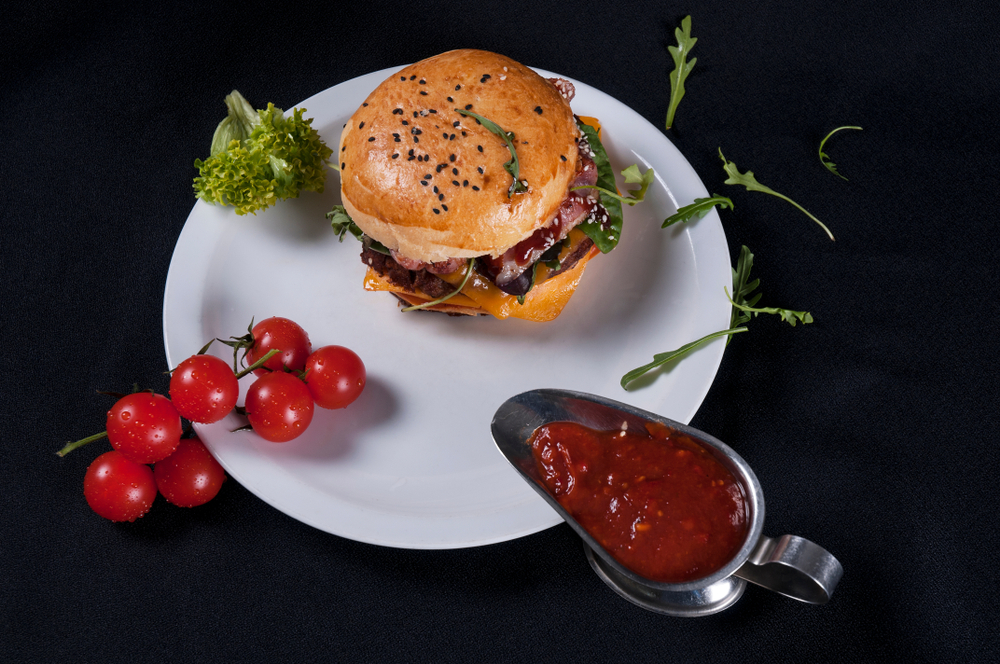
Ever stared at a burger menu, felt a little lost, and just pointed at the first thing with bacon? You’re not alone. Knowing how to order the best burger at a restaurant isn’t about secret menus or fancy words. It’s about a few small choices: the patty, how it’s cooked, the bun, the toppings and what goes on the side. Get those right and a good burger turns into a great one.
In this guide, we’ll walk you through each choice like a friend sitting across the booth. No jargon, no snobbery, just practical tips you can use the next time you sit down at one of your favorite burger restaurants.
How to Order the Best Burger at a Restaurant: The Quick Answer
If you only read one section, make it this one.
To order the best burger at a restaurant, choose your patty style first, then tell your server how you’d like it cooked, pick a bun sturdy enough for your toppings, and keep toppings balanced: one rich, one sharp, one crunchy. Mention allergies up front, and ask what the kitchen is proud of. That’s it.
Start With the Patty: Thick, Thin, or Not Beef at All
The patty is the heart of any burger, so it’s the right place to start. Most burger places offer two broad styles, and they eat very differently.
Thick, pub-style patties
A thick patty is the one you can order to a specific doneness. It’s juicy, beefy and built for people who love the taste of the meat itself. If you like your steak with a little pink, you’ll probably enjoy a thicker patty cooked to order.
Thin, pressed or “smashed” patties
Thin patties are pressed onto a hot griddle, which gives them crispy, browned edges. They’re often stacked two at a time with melted cheese in between. Because they’re so thin, they’re usually cooked all the way through, so you’ll trade a pink center for extra crunch and flavor from the sear. If you’re not sure how a restaurant cooks its thin patties, just ask.
At Burger Republic, for example, the West Texas and West Coast burgers use twin thin pressed patties, while the classic burgers use a thicker patty. You can see the full lineup on our burger menu.
Not in the mood for beef?
The best hamburger for you might not be beef at all. Many burger restaurants now offer turkey, chicken, veggie or plant-based patties. A well-seasoned turkey or veggie patty with the right toppings can be just as satisfying.
Choosing Your Doneness (Without Guessing)
This is where most people get nervous. Here’s the good news: you don’t need to memorize a chart. You just need to know what you like and how to ask for it.
What each doneness level usually means
Restaurants generally use the same words as they do for steak:
- Medium rare: a warm, noticeably pink center. Very juicy.
- Medium: a light pink center. A good middle ground for many diners.
- Medium well: just a hint of pink, firmer texture.
- Well done: no pink, fully firm.
Here’s an important catch, though. Color isn’t a reliable signal of how cooked a burger really is. The USDA Food Safety and Inspection Service explains that ground beef can turn brown before it reaches a safe temperature, and some lean beef can stay pink even after it’s fully cooked. That’s why good kitchens rely on thermometers and experience, not just looks.
Is it safe to order a burger medium rare?
Here’s the short, honest answer. The USDA recommends cooking ground beef to 160°F, according to its safe minimum internal temperature chart. A medium-rare burger is cooked below that, so it carries more risk of foodborne illness than a well-done one. Many restaurants still offer burgers cooked to order, but they must tell you about the risk on the menu.
That’s what the little asterisk on many menus is all about. In Tennessee, food establishments that serve raw or undercooked animal foods are required to post a consumer advisory so diners can make an informed choice. When you see “may be cooked to order” next to a burger, that’s the kitchen being upfront with you.
When to order it well done
Food safety guidance generally says that people who are more vulnerable to foodborne illness should choose fully cooked meat. That includes young children, older adults, pregnant people and anyone with a weakened immune system. If that’s you or someone you’re ordering for, go with well done, or choose a thin pressed patty that’s cooked through anyway.
A well-done burger doesn’t have to be dry, either. Ask for extra sauce, add cheese, or choose a burger built with juicy toppings like sautéed onions or mushrooms.
Pick a Bun That Can Handle the Job
The bun is the unsung hero of the best burger. Too soft and it falls apart. Too dense and it’s all you taste. Here’s a simple way to match bun to burger:
- Brioche: soft, slightly sweet and buttery. Great for classic builds and saucy burgers.
- Pretzel bun: chewy and sturdy with a salty crust. Ideal for heavy, messy burgers with lots of toppings.
- Whole wheat: a little nuttier and heartier, if the restaurant offers it.
- Gluten-free bun: a must for anyone avoiding gluten. Ask how it’s prepared if you’re very sensitive.
- Sourdough or toast: turns your burger into something closer to a patty melt. Tangy and crisp.
Bun swaps sometimes come with a small upcharge, so check the menu. At Burger Republic, for instance, the menu lists brioche, whole wheat at some locations, pretzel and gluten-free buns as options.
Toppings: How to Build Balance, Not a Pile
It’s tempting to say “yes” to everything. But the best burgers usually have a sense of balance. Each topping should earn its place.
Start with the cheese
Cheese sets the tone for the whole burger. American cheese melts smoothly and keeps things classic. Sharp white cheddar adds a tangy bite. Swiss goes beautifully with mushrooms and onions. Pepper jack or habanero jack brings heat. Bleu cheese is bold and best with a sweet or smoky partner.
The “one rich, one sharp, one crunchy” rule
Here’s a simple trick we love. Pick:
- One rich thing: bacon, a fried egg, avocado or a creamy sauce.
- One sharp thing: pickles, raw red onion, jalapeños or a tangy sauce.
- One crunchy thing: crispy onions, lettuce or fresh pickles.
This keeps every bite interesting instead of heavy.
Trust the signature burgers
Signature burgers on a menu are usually there because the kitchen has tested the combination many times. If you’re at a new burger place and can’t decide, ordering a signature burger exactly as written is one of the smartest moves you can make. You can always customize next time. If you’re curious about what separates a good patty from a great one, our post on what makes the best burger goes deeper into beef quality and cooking.
Sides, Shakes and Sips
A great burger deserves a great sidekick. Here’s how to round out your order.
Pick a side that contrasts
If your burger is rich and saucy, a crisp side like house chips or fries balances it. If your burger is simple, go bolder with something like loaded or spicy tots. Many burger restaurants include a basic side and offer premium sides for a little extra.
Shake or beer?
A milkshake is classic with a burger, especially with salty sides. Craft beer is another great match. Lighter beers pair well with spicy burgers, and darker beers stand up to smoky, bacon-heavy builds. If you’re unsure, your server or bartender can usually suggest a pairing.
Ordering Etiquette at Burger Restaurants
Ordering well isn’t just about the food. A few friendly habits make the experience better for you and the people cooking for you.
Who to ask: your server is your best resource
Servers eat the food, hear feedback all day and know what the kitchen does best. Asking “What’s your favorite burger here?” is a great way to find a hidden gem.
What to customize (and what to leave alone)
Simple swaps are usually welcome: holding the onions, adding bacon, changing the bun or cheese. Completely rebuilding a signature burger from scratch can slow things down and may not taste the way the chef intended. Small tweaks are best.
Why mention allergies first
Always mention food allergies or dietary needs at the start of your order, before you get to toppings. That gives the kitchen time to take the right precautions. Asking “Is this vegan?” or “Can this be made gluten-free?” is always fine.
When and where to go
If you want a relaxed meal and more time with your server, try visiting just before or after the lunch and dinner rush. Weekends tend to be busier.
Your Checklist for How to Order the Best Burger at a Restaurant
Save this for your next visit:
- Choose your patty style: thick, thin, or non-beef.
- Pick your doneness, keeping your own health needs in mind.
- Match the bun to the burger.
- Pick a cheese, then balance toppings: one rich, one sharp, one crunchy.
- Mention allergies before anything else.
- Choose a side that contrasts with your burger.
- Ask your server for their favorite.
Find Your Best Burger at Burger Republic
Now you know how to order the best burger at a restaurant like a regular.
At Burger Republic, every burger starts with Angus beef, and you can customize your bun, protein and toppings. Learn more about our story and our beef, or stop by our Lenox Village location and try building your own. We’d love to help you find your new favorite.
Frequently Asked Questions
What is the best way to order a burger at a restaurant?
The best way is to make a few clear choices in order. Start with the patty style you like, then tell your server how you’d like it cooked if the burger is cooked to order. Pick a bun that suits your toppings, choose a cheese, and keep toppings balanced so no single flavor takes over. Mention any allergies first. If you’re unsure, order a signature burger as written and ask your server for their favorite.
Is it safe to eat a medium rare burger at a restaurant?
It carries more risk than a well-done burger. The USDA recommends cooking ground beef to 160°F, and a medium-rare burger is cooked below that. Many restaurants still offer burgers cooked to order and must post a consumer advisory on the menu explaining the increased risk. Young children, older adults, pregnant people and anyone with a weakened immune system should generally choose fully cooked burgers. If you’re unsure, well done or a thin pressed patty is the safer choice.
What does the asterisk next to a burger on a menu mean?
That asterisk usually points to a consumer advisory at the bottom of the menu. It tells you the item may be served raw or undercooked, for example a burger cooked to order, and reminds you that eating undercooked meat can increase your risk of foodborne illness. In Tennessee, food establishments offering raw or undercooked animal foods are required to provide this advisory. It isn’t a warning that something is wrong. It’s the kitchen being transparent so you can choose.
What is the best bun for a burger with a lot of toppings?
A sturdy bun works best when you’re piling on toppings. Pretzel buns are a popular pick because their chewy texture and firm crust hold up well against sauces, bacon and crispy onions. Brioche is softer and slightly sweet, so it’s ideal for simpler builds or classic burgers, though it can soak up a lot of sauce. If you’re gluten-free, ask whether the restaurant offers a gluten-free bun and how it’s prepared to avoid cross-contact.
Can I customize a signature burger?
Yes, in most burger restaurants small changes are welcome. Holding an ingredient, adding bacon or avocado, or swapping the cheese or bun are common requests. Some swaps may carry a small upcharge, so check the menu or ask your server. That said, signature burgers are usually carefully balanced, so it’s worth trying one as written at least once. If you love it, great. If not, you’ll know exactly what to tweak next time.